All prices in US dollars (USD)

Free standard shipping on orders over USD 120.00

Sidesnap

Öppning och stängning

Opening and closing

Everything on this page is the vocabulary the rest of the site uses. How a garment opens, how far, what holds it shut, how much force that takes, and how to measure yourself sitting down. It also carries two things we are obliged to be clear about: the magnet safety notice and the fact that none of this is a medical device.

Five ways a garment opens

Every item in the catalogue is one of these five, and the group is stated at the top of every product page. The apricot line in each drawing is the opening.

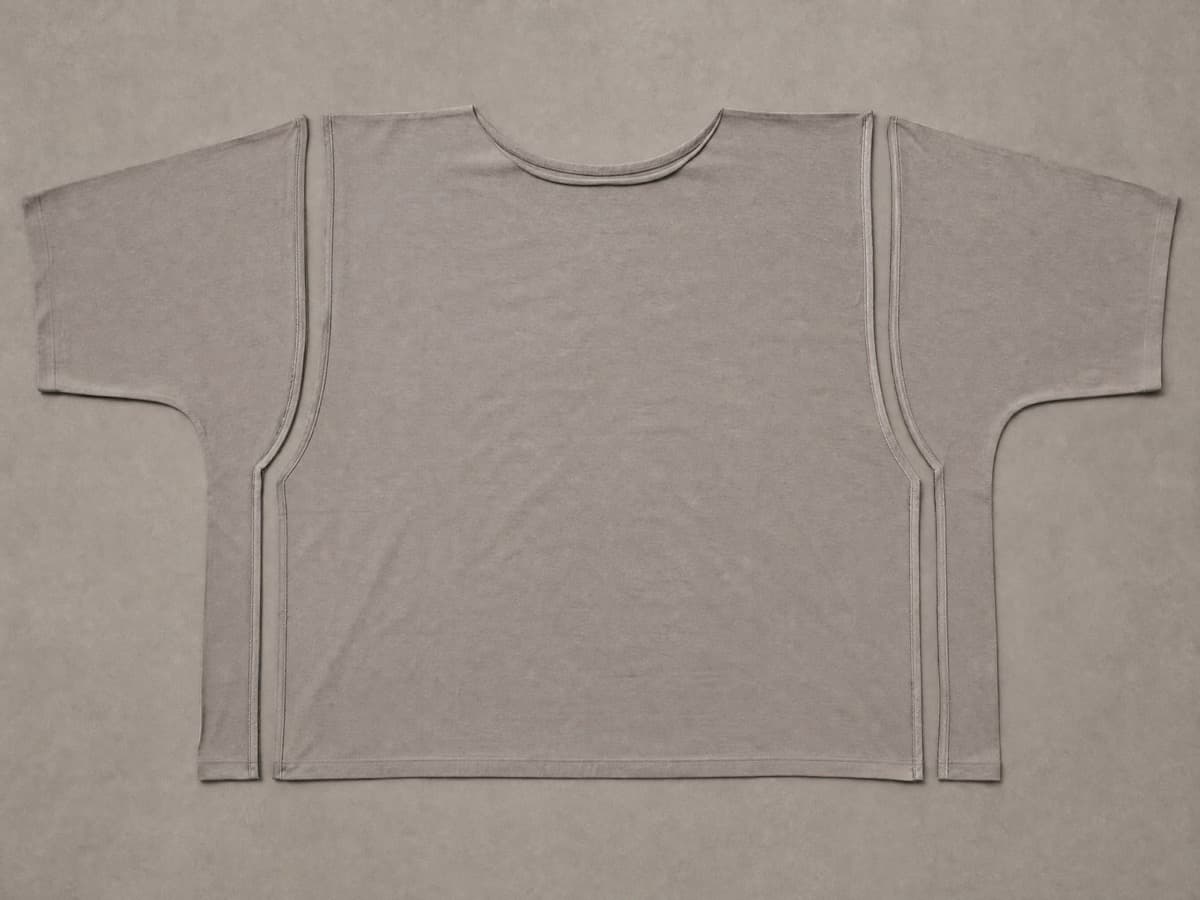
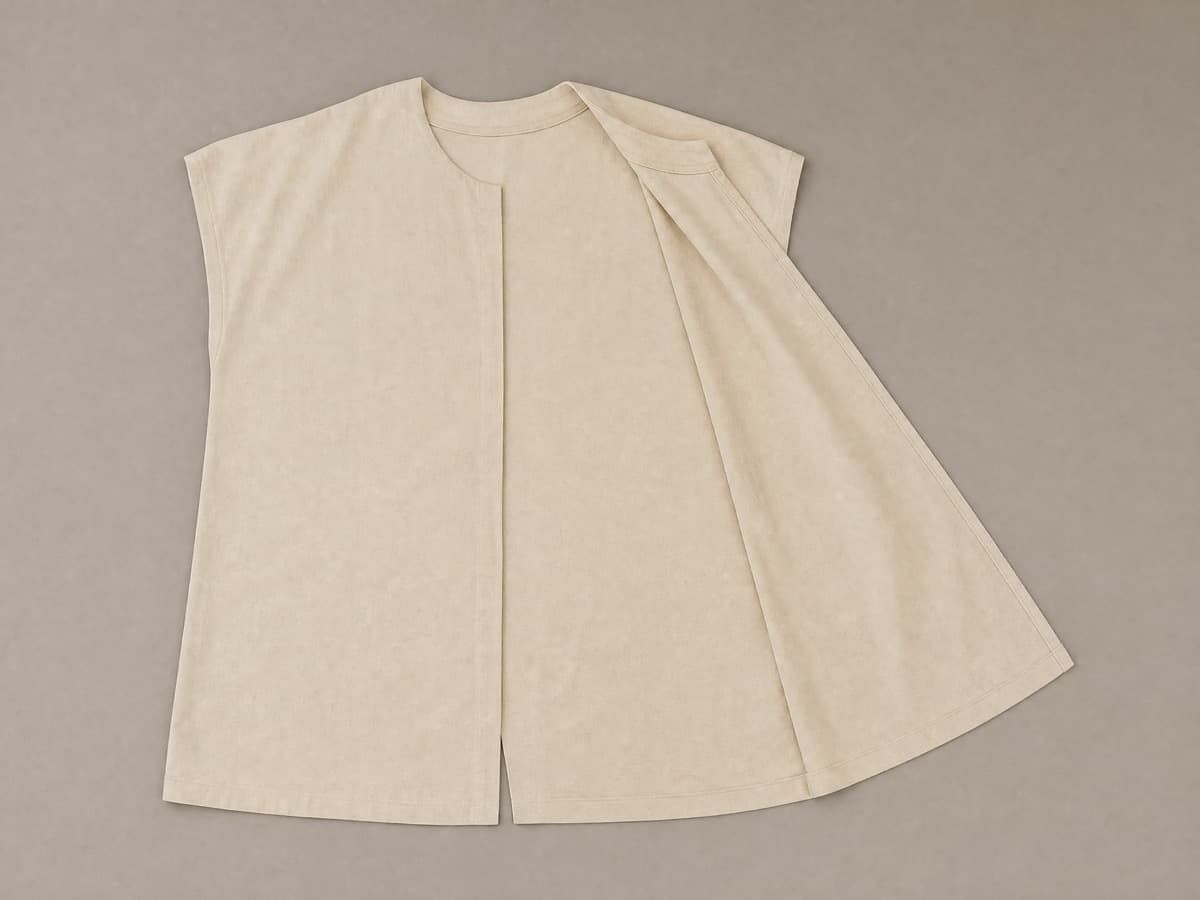
  • Opens at the side

    One side seam or both, from hem to cuff. The ones marked lays flat open right out.

    21 garments · see them

  • Opens at the back

    Down the centre back. Ordinary from the front, open from collar to hem behind.

    5 garments · see them

  • Opens at the shoulder

    The shoulder seam unfastens so the front folds down. Nothing goes over the head.

    3 garments · see them

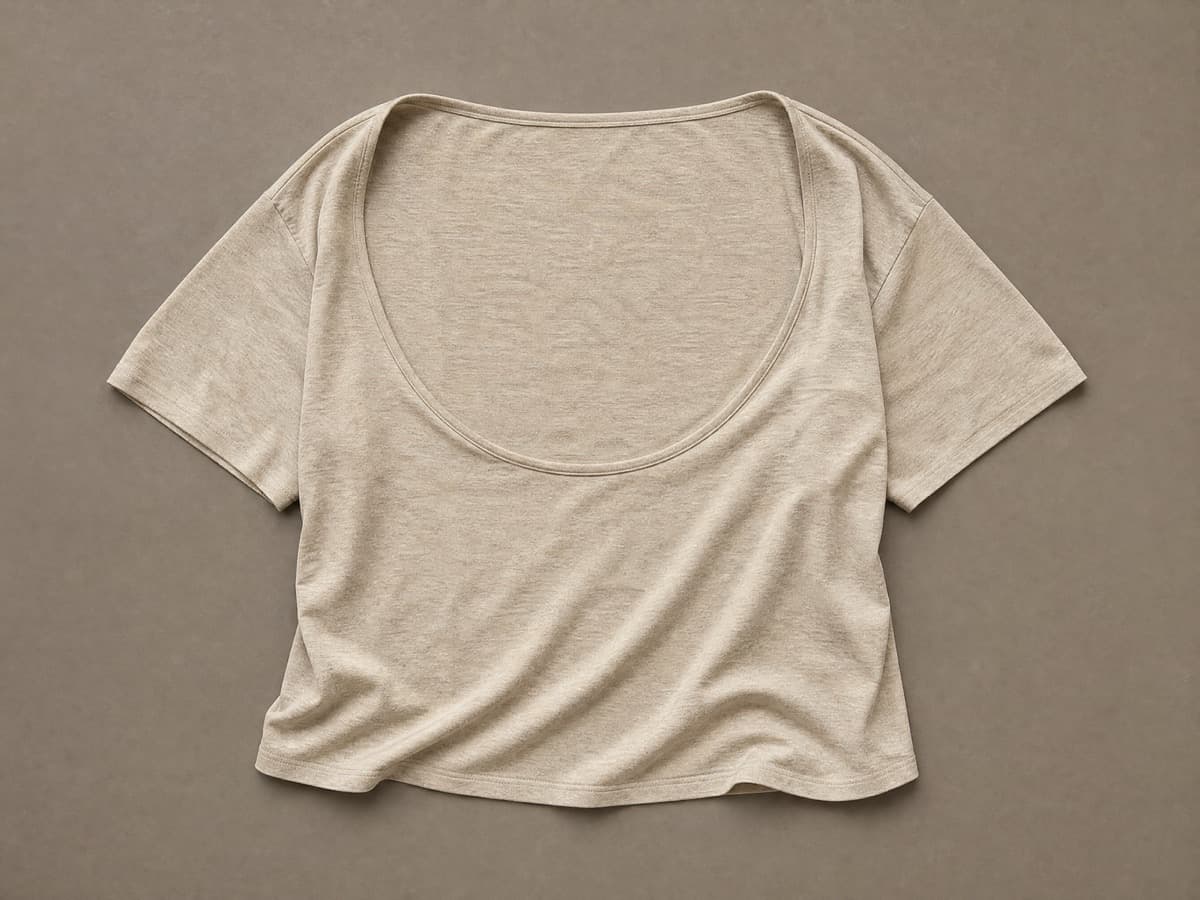
  • Pulls on

    Wide necklines, no fasteners. Goes on shoulder first rather than over the head.

    6 garments · see them

  • Does not open

    Ordinary construction, reshaped pattern. Cut for sitting rather than standing.

    9 garments · see them

A top laid flat with both side seams opened, the front panel separated from the back panel down each side and the sleeves spread out, so the whole garment lies flat.
Lays completely flat — both side seams open, nothing folded.
A top opened along one side seam only, that side spread wide open while the other side stays closed.
Opens partly — one side seam open, the other closed.
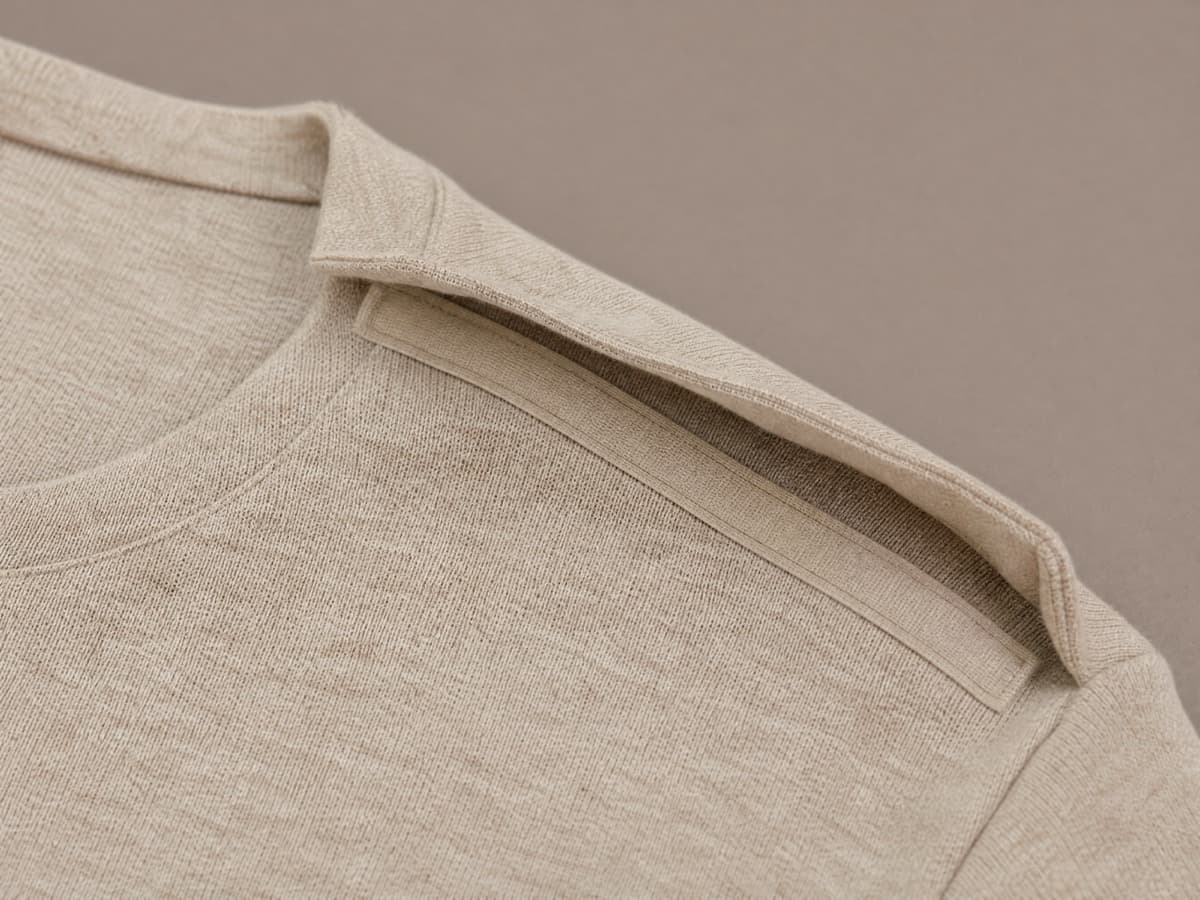
A knitted top with the shoulder seam unfastened and lifted open, showing the flat closure strip that runs along the shoulder line.
Shoulder opening — the front folds down, nothing goes over the head.

How we rate closing force

Three ratings, on every item, with no exceptions and no rounding down. If something needs two hands we write two hands, even when that is the less appealing answer.

  • Light

    Pulls together on its own from about 8 mm apart. A finger and a thumb are enough.

  • Medium

    Holds under a coat or a lap belt. Separating it takes a deliberate pull.

  • Two hands

    One hand holds the fabric while the other works the closure. We mark these clearly.

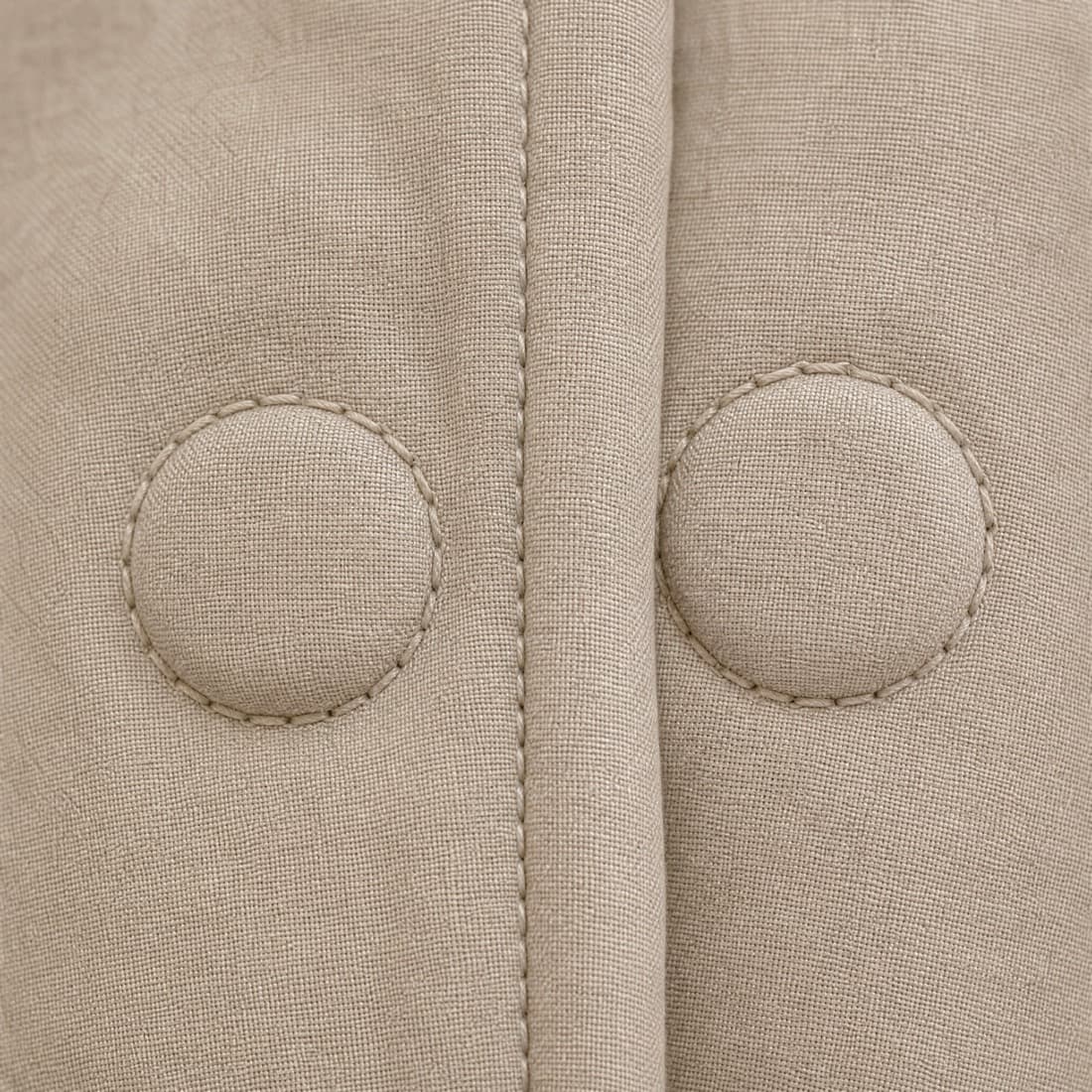
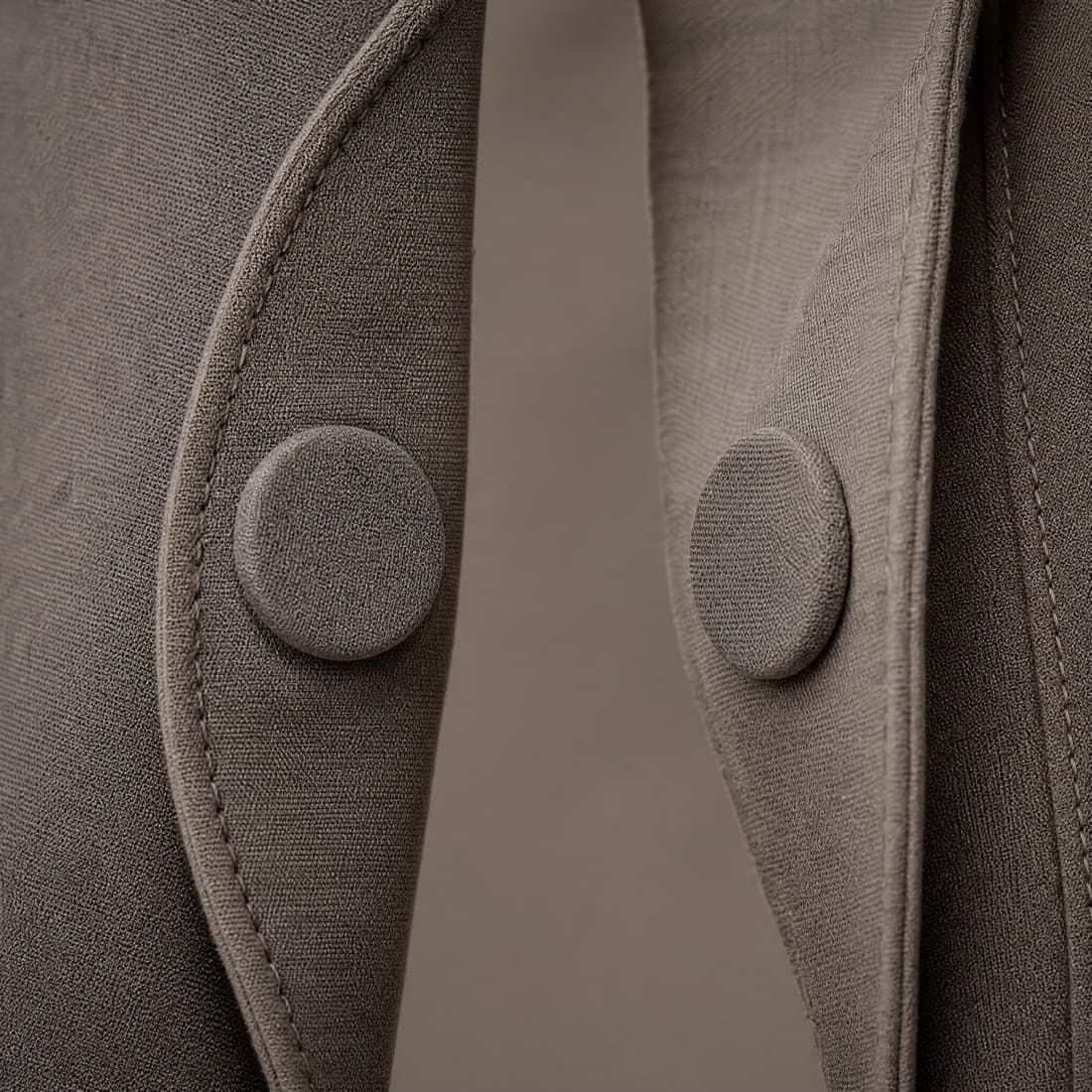
Close-up of a fabric-covered magnetic closure in the aligned position, two slim rounded discs sitting flush together behind a smooth placket.

Magnetic

Force: Light or medium

What it is
Two fabric-covered discs that pull together when brought near each other.
What it solves
Nothing has to be pinched, threaded or lined up precisely. The discs find each other.
Where it stops working
They still have to be brought within about a centimetre. If moving one edge toward the other is the difficult part, a garment with no closure at all will suit better.
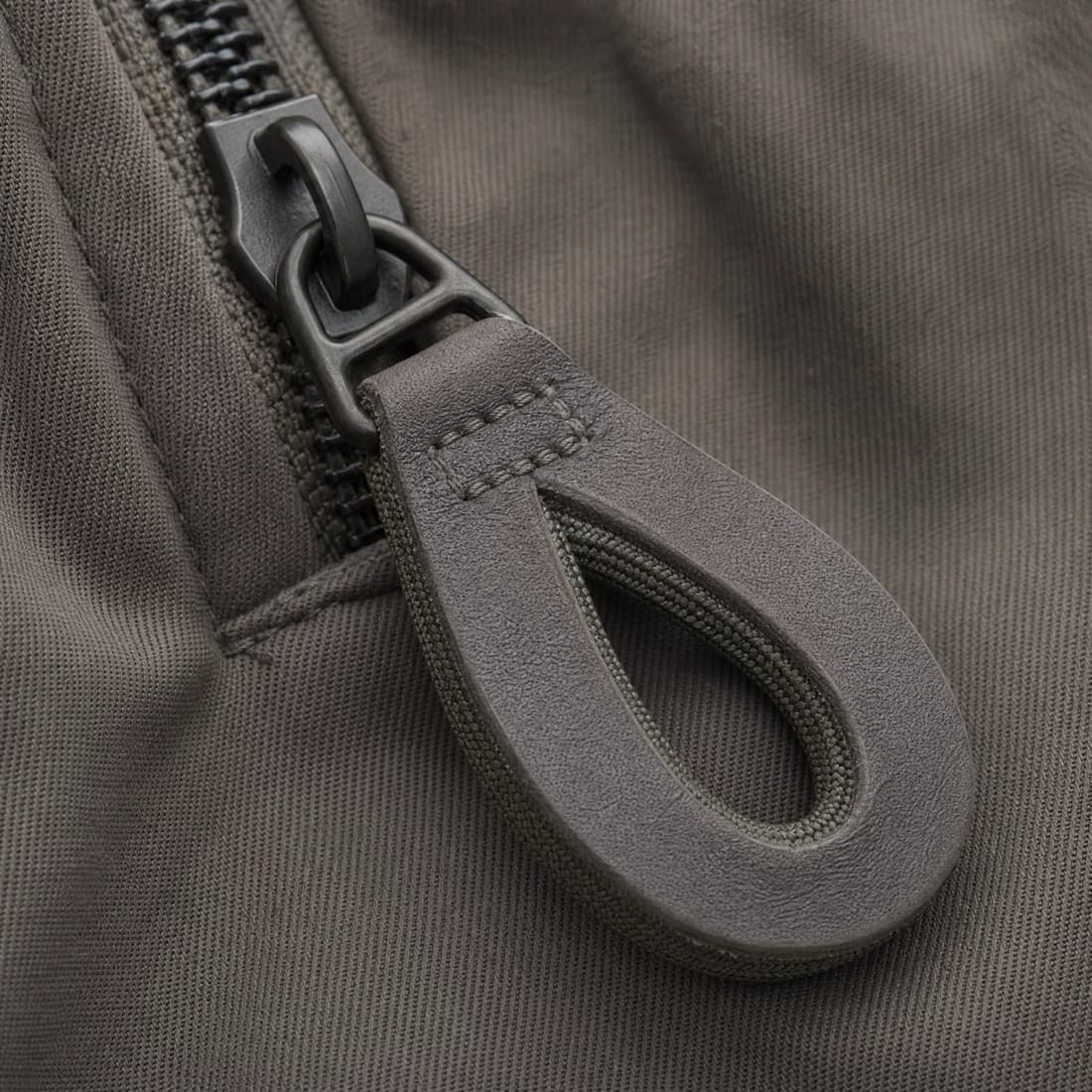
Close-up of an oversized loop zip pull, a flat oval loop wide enough to hook a finger through, fitted to a matte zip slider.

Loop zip

Force: Light

What it is
An ordinary zip with an oversized flat loop pull, 38 to 42 mm across.
What it solves
A finger, a thumb or a dressing stick can hook the loop. No pinching is needed to move the slider.
Where it stops working
Starting a zip means lining up the two halves at the base. That is the hardest part and the loop does not help with it. We box the base to make it easier, not easy.
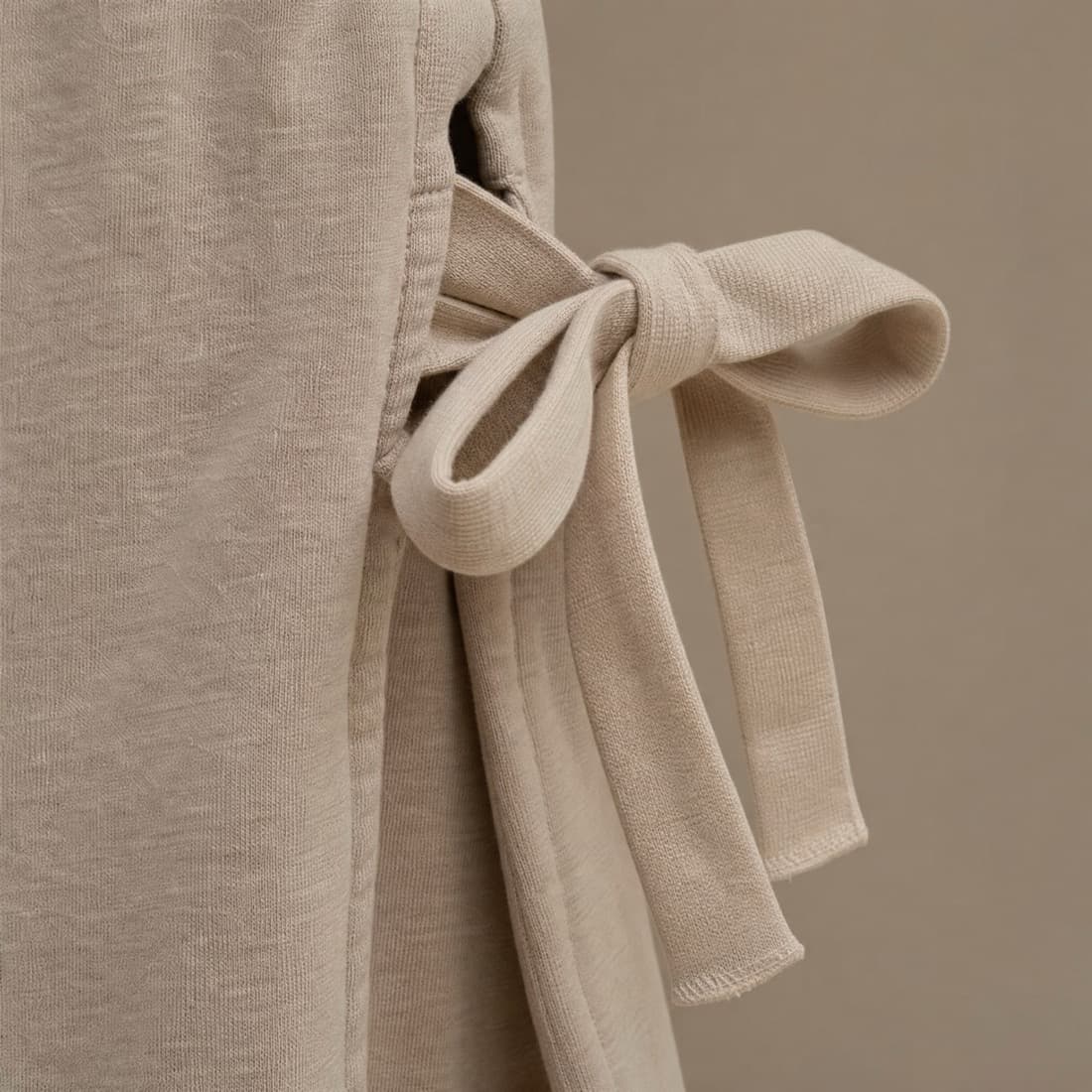
Close-up of a flat cotton tape closure at a side seam, two wide soft tapes loosely knotted.

Flat ties

Force: Medium to two hands

What it is
Wide flat cotton tapes, 25 to 30 mm, knotted rather than fastened.
What it solves
No small parts, nothing to break, and the fit can be adjusted anywhere along the range.
Where it stops working
Tying a knot needs two hands, and tying one behind your own back is not realistic for most people. Items that rely on ties are marked as needing a second pair of hands.
A jersey top with an unusually wide relaxed neckline, the neck opening held round to show how generous the opening is.

No closure

Force: Light

What it is
Nothing to fasten. The garment holds its shape through cut and width alone.
What it solves
There is no closure to learn, to align or to fail. The simplest thing we make.
Where it stops working
The garment still has to be drawn on, and an arm still has to go through a sleeve. Simplicity is not the same as effortlessness.

Magnetic closures: safety information

This notice appears in three places for every item that contains magnets: on the product page, at checkout, and on a printed card packed with the garment. It is shown as information. We do not ask you to tick a box about your health, because you should not have to declare anything about yourself to buy a shirt.

14 of our 44 items contain magnets. Every one of them is marked in the catalogue, in your bag and on the order confirmation.

Close-up of a fabric-covered magnetic closure in the aligned position, the two discs sitting flush together behind a smooth placket.
Aligned and closed
Close-up of the same magnetic closure separated, the placket peeled open so the two fabric-covered discs sit apart on their facing panels.
Separated

Washing a garment with magnets

  • Close every magnetic fastener before washing, so they do not drag on other fabric.
  • Wash at 40 °C or below. Heat is what weakens a magnet over time.
  • Do not iron directly over a magnet.
  • Keep the garment away from cards with magnetic stripes, hearing aids and other small electronic devices while it is being washed and dried.

Capes, covers and wheel clearance

Length against the wheel

Solid outline — stop here
The hem finishes above the top of the wheel. This is how our capes and the lap cover are cut.
Dashed outline — too long
A hem that passes the top of the wheel can be caught by it.
Dotted line
The top of the wheel. Measure from your shoulder to this point and compare it with the front drop in the size table.
Check the length against your chair before use. Loose fabric can catch in wheels.

Loose fabric near a moving wheel is the one hazard in this catalogue that is worth stating twice. Our capes and the lap cover are cut to stop above the knee for exactly this reason, and the front drop is listed in the size table so you can check it against your own chair before you buy.

Measure from your shoulder to the top of your wheel. If our front drop is longer than that measurement, choose a smaller size or a different item. We would rather sell you nothing than sell you something that catches.

This note appears on every cape and cover in the catalogue, and again on the printed card packed with them.

Measuring sitting down

A seated waist is usually larger than a standing waist, and a seated inseam is shorter. Standard size charts are taken standing, which is why they so often miss. Every size table on this site is taken sitting, and here is how.

Seated waist

Sit down first. Put the tape where the waistband will actually sit and measure right round. Sitting usually adds a few centimetres compared with standing.

Seated back length

Sit upright. Measure down the spine from the bone at the base of the neck to the seat of the chair. This sets how long the back of a top needs to be.

Seated inseam

Sit with the knee bent as it normally rests. Measure from the crease at the top of the inner thigh to the ankle bone. This is shorter than a standing inseam.

Standard cut

Seated cut

What changes

Back +8 cm
The back hem is extended so it does not ride up when you sit back into the chair.
Front −6 cm
The front hem is raised so fabric does not gather across the lap.
Waist flattened
The waistband facing is removed so nothing sits proud between you and the seat.
Shown as garment outlines, not on a body. The dashed line marks where a standard hem would fall.

The seated size tables

Each product page carries the table for its own category. All measurements are in centimetres, taken sitting down.

Seated measurements — tops

Seated measurements — tops. All measurements in centimetres, taken sitting down.
SizeSeated chestSeated back lengthSleeve length
XS86 cm40 cm56 cm
S92 cm42 cm58 cm
M98 cm44 cm60 cm
L106 cm46 cm62 cm
XL114 cm48 cm63 cm
2XL124 cm50 cm64 cm
3XL134 cm52 cm65 cm

Seated measurements — trousers and skirts

Seated measurements — trousers and skirts. All measurements in centimetres, taken sitting down.
SizeSeated waistSeated hipSeated inseam
XS70 cm92 cm66 cm
S76 cm98 cm68 cm
M84 cm104 cm70 cm
L92 cm112 cm72 cm
XL102 cm120 cm73 cm
2XL112 cm130 cm74 cm
3XL122 cm140 cm75 cm

Seated measurements — dresses and skirts

Seated measurements — dresses and skirts. All measurements in centimetres, taken sitting down.
SizeSeated chestSeated back lengthFront length
XS86 cm40 cm88 cm
S92 cm42 cm90 cm
M98 cm44 cm92 cm
L106 cm46 cm94 cm
XL114 cm48 cm96 cm
2XL124 cm50 cm98 cm
3XL134 cm52 cm100 cm

Seated measurements — jackets and coats

Seated measurements — jackets and coats. All measurements in centimetres, taken sitting down.
SizeSeated chestSeated back lengthFront length
XS94 cm40 cm54 cm
S100 cm42 cm56 cm
M108 cm44 cm58 cm
L116 cm46 cm60 cm
XL124 cm48 cm62 cm
2XL134 cm50 cm64 cm
3XL144 cm52 cm66 cm

Seated measurements — capes and covers

Seated measurements — capes and covers. All measurements in centimetres, taken sitting down.
SizeSeated back lengthFront dropWidth across
XS40 cm62 cm58 cm
S42 cm64 cm60 cm
M44 cm66 cm62 cm
L46 cm68 cm66 cm
XL48 cm70 cm70 cm
2XL50 cm72 cm74 cm
3XL52 cm74 cm78 cm

These garments are not medical devices

Sidesnap sells clothing. Our garments are not medical devices within the meaning of EU Regulation 2017/745, and they are not hjälpmedel within the Swedish regional assistive device system. We have not applied for either status and we do not hold either.

We make no claim that any garment treats, prevents, improves, rehabilitates or corrects anything at all. We describe structure: where it opens, how far, what holds it shut and how much force that takes. Nothing beyond that is ours to claim.

We do not suggest that any purchase can be reimbursed or subsidised by a region, an insurer or any public body. If a scheme where you live does cover clothing, that is between you and the scheme, and we will supply a plain receipt if it helps.

The pacemaker notice on items containing magnets is product safety information, of the same kind as a warning about a small part or a hot surface. It is not medical advice and it is not a claim about what the garment does.

We name our lines after movements — Seated Fit, One-Hand Close, Full Open, Step-In — and never after a diagnosis, a condition or a symptom. There is no “collection” here named after anybody's body.

If you want to know whether a particular closure will work for you, write to support@sittingfeather.cfd. We will answer about the garment. We will not answer about your health, because that is not ours to answer.
Kontakt: support@sittingfeather.cfd · +46 941 104 64